

Instruction
Labels & Panels
Durable instruction labels and multi-panel information labels on polyester, polypropylene, polyimide, and aluminium foil substrates — in flat, two-panel, accordion-fold, and booklet constructions — with technical line art and diagram print, colour-coded step sequences, QR codes linking to digital documentation, and bilingual text capability — engineered for machinery operating panels, maintenance schedules, assembly guides, appliance care labels, vehicle service labels, and OEM equipment across industrial and export applications.
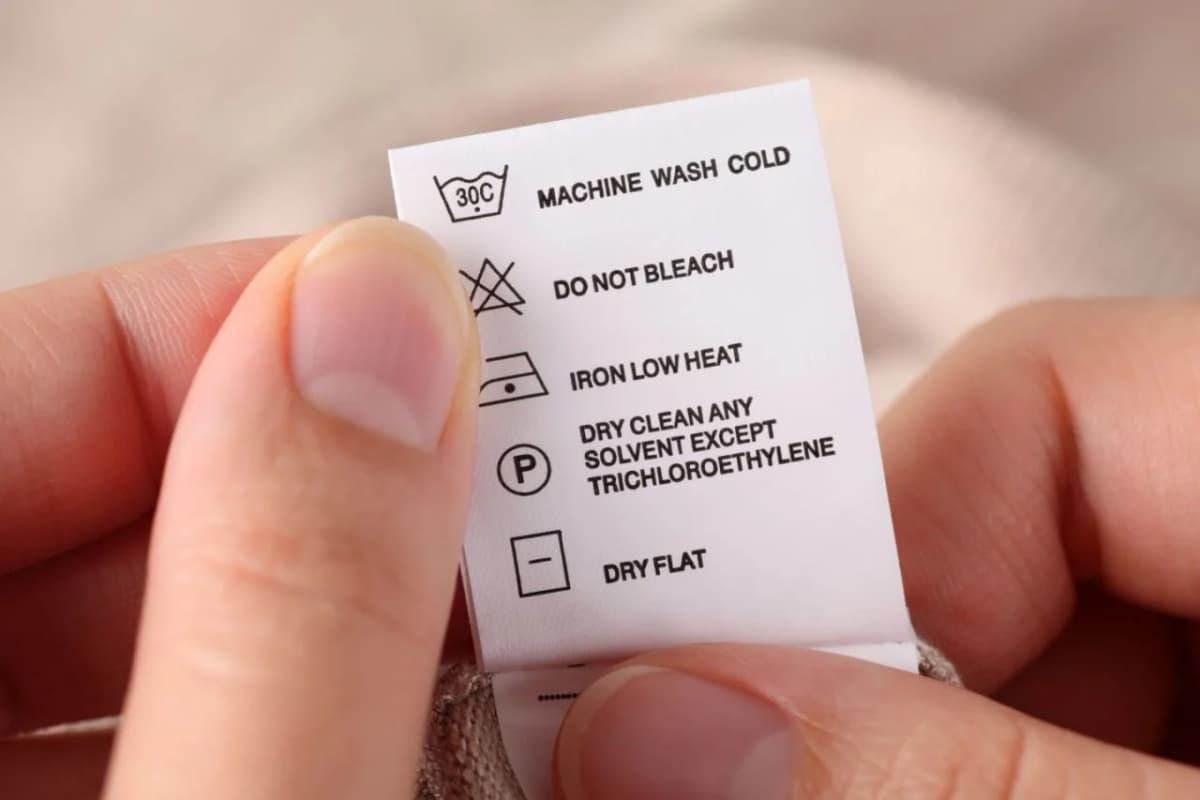
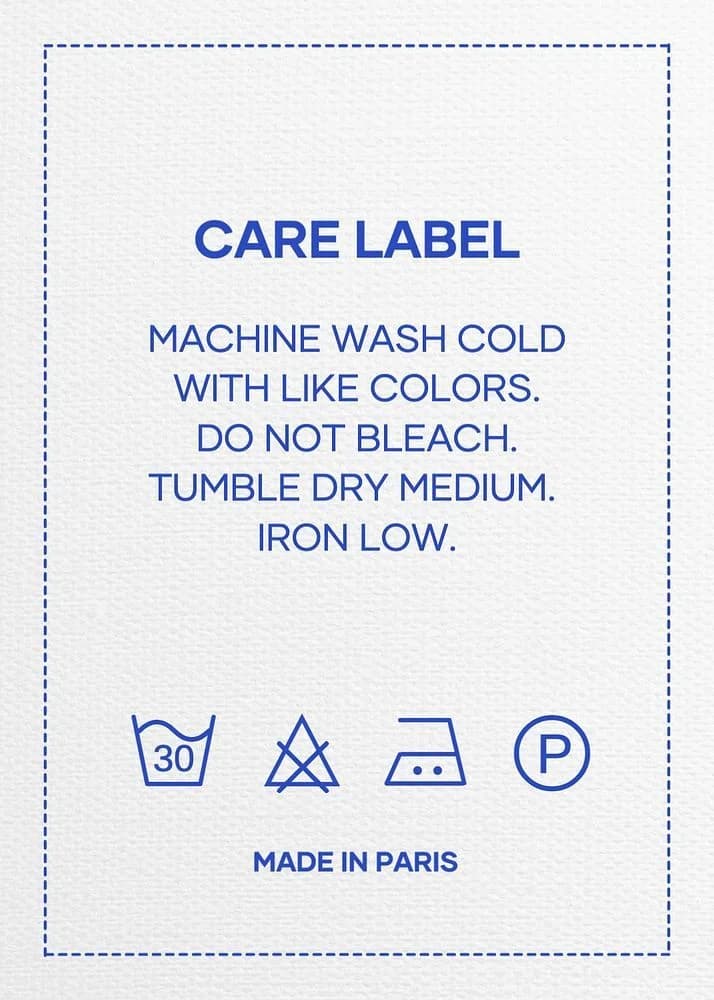
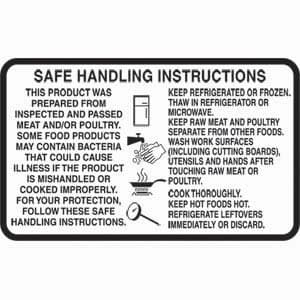
The instruction label on the machine is the manual that actually gets read.
Printed service manuals are filed, lost, or never retrieved from the bag the equipment shipped in. The label applied to the access panel, the inside of the door, or the operator station is what the maintenance technician, the machine operator, and the installation engineer actually consult in the moment. It needs to carry all the information required for the task, remain legible for the service life of the equipment, and survive every cleaning cycle, fluid splash, and temperature excursion the operating environment delivers.
Content that doesn't fit on a flat label doesn't have to be removed — it folds.
An accordion fold label delivers up to twelve readable panels from a footprint no larger than a single-panel label. Startup sequence on panel one, shutdown procedure on panel two, fault code table on panel three, maintenance schedule on panels four and five, torque specifications on panel six — all accessible from the same fixed space on the equipment door, accessible without retrieving a separate document, and refoldable to original size after every use.
A QR code on the label is a permanent link to documentation that can be updated.
When the service manual is revised, the wiring schematic is updated, or the spare parts list changes — a QR code printed on the physical label routes the user to the current revision without reprinting the label. Module size specified against camera-phone decode at the expected scan distance. Quiet zone and error correction level verified before production. The URL or landing page the code resolves to is the customer's to manage; the label carries a permanent physical access point to it.
Label Formats
Choose the Right Format for the Content
A flat label where the content fits the space. An accordion fold where content exceeds the available panel area. A booklet label where full documentation needs to travel with the equipment. Tell us the content volume, the available surface area, and the application — we'll specify the correct format.
Flat Label
1 panel
Single-face, direct PSA application. Maximum content determined by available label footprint on the equipment surface.
Typical Use
Torque specs, fluid types, single-sequence operations, rating plates.
Two-Panel Fold
2 panels
Doubles usable content area with a single fold. PSA base panel affixes to surface; top panel opens for instruction access.
Typical Use
Startup / shutdown sequences, two-language instruction sets, short maintenance steps.
Accordion Fold
4 – 12 panels
Extends to full instruction length; refolds to original footprint. Score lines precision-set for consistent fold across the production run.
Typical Use
Maintenance schedules, multi-step procedures, fault code tables, wiring diagrams.
Booklet Label
8 – 48 pages
Stapled or glued spine; opens and closes repeatedly. PSA base panel affixes to surface or supplied in a transparent pouch mount.
Typical Use
Full service manuals, CE technical files, regulatory compliance documentation.
Format Comparison
Flat vs Accordion vs Booklet
Panel count, content density, application method, and reopen behaviour compared across the three primary instruction label format families. Many applications combine formats — a flat label for essential operator information alongside a booklet for full service documentation, both applied to the same panel.
| Property | Flat Single-Panel | Accordion Fold | Booklet Label |
|---|---|---|---|
| Best For | Simple, single-topic instructions with adequate panel space | Detailed multi-step procedures in a compact footprint | Comprehensive manuals — full service, assembly, or regulatory content |
| Panel Count | 1 panel — front face only | 4 to 12 panels — accordion fold | 8 to 48 pages — stapled or glued spine |
| Content Density | Limited to label face area | 4–12× single panel content area | Effectively unlimited — magazine format |
| Application Method | PSA direct to surface | PSA base panel to surface; folds open | PSA base panel or pouch / sleeve mount |
| Reclose / Reopen | Not applicable — single face | Refolds to original footprint after reading | Opens and closes repeatedly — stapled or glued |
| Typical Application | Torque specs, fluid types, single-sequence ops | Startup / shutdown, maintenance schedules, fault codes | Full service manuals, regulatory compliance docs, CE files |
Construction
Engineered Layer by Layer
Eight material and processing layers — from liner and die-cut geometry through adhesive, fold score lines, face stock, white base ink, colour-coded instruction print, and UV overlaminate — configured to hold text legibility, diagram resolution, and substrate adhesion across the rated equipment service life.
L-01
UV Overlaminate / Hard Coat
Gloss / Matte — Abrasion & Solvent Resistant
L-02
Instruction Print Layer
Text, Diagrams, Icons, QR / Barcode, Colour Key
L-03
Colour-Coded Background Layer
Section / Step Colour Coding — Spot or Process
L-04
White Opaque Base Ink
Full-Coverage Foundation on Translucent Film
L-05
Face Stock / Substrate
PET / PP / Polyimide / Aluminium / Vinyl
L-06
Fold / Panel Score Lines
Precision-Scored for Multi-Panel Constructions
L-07
Pressure-Sensitive Adhesive
Permanent / Removable / Repositionable / None
L-08
Liner & Die-Cut Geometry
Kiss-Cut / Die-Cut / Punched to Drawing
Technical Parameters
Print & Substrate Specs
Standard performance parameters for our instruction label range. All values configurable to your content requirements, application surface, operating temperature, and required service life.
Materials & Configuration
Built to Your Label Specification
Face stock grade, label format, print construction, fold configuration, adhesive system, and supply format — every variable configured precisely to your content volume, application surface, operating environment, and installation method.
Face Stock / Substrate
Label Format
Print & Diagram Options
Supply & Cut Format
Capabilities
Feature & Build Variants
Substrate, format, print construction, fold configuration, adhesive system, and supply method — every variable configured to your content requirements, surface, and installation method.
Production Capability
Built for Serious Production
Multi-Panel & Accordion Fold — More Information, Same Footprint
Where the available label area on the equipment panel is fixed but the instruction content is extensive — startup sequences, shutdown procedures, torque specifications, lubrication schedules, fault codes — multi-panel accordion and booklet constructions deliver up to twelve readable panels from a footprint no larger than the single-panel space available. Score lines precision-placed for flat, consistent fold across the full production run.
Technical Diagram & Line Art Print at Legible Resolution
Exploded assembly views, hydraulic circuit diagrams, wiring schematics, torque sequence diagrams, and lubrication point illustrations reproduced at up to 1440 dpi with minimum text at 4 pt — legible at normal reading distance on laminated PET without magnification. Artwork supplied as vector PDF or AI; rasterised at output resolution to substrate, not to a generic screen-viewing profile.
QR Code Linking to Live Digital Documentation
A QR code printed on the physical label links the equipment operator directly to the current revision of the service manual, installation guide, exploded parts diagram, or training video — without reprinting the physical label when documentation is updated. Module size specified against camera-phone decode at the expected scan distance; quiet zone and error correction level verified before production print.
Durable for the Service Life of the Equipment It Marks
An instruction label on the inside of an access panel should remain legible for the service interval of the machine it instructs — not peel, fade, or become unreadable after the first maintenance cycle. PET with UV overlaminate for general industrial environments. Polyimide for high-temperature plant. Aluminium foil for surfaces subject to wiping with solvents. Adhesive system matched to the panel surface material: painted steel, powder coat, anodised aluminium, or engineering plastic.
Applications
Equipment & Sectors Served
Wherever an instruction label must carry a procedure, a schedule, a specification, or a guide — from machinery operating panels and maintenance schedules through appliance care, vehicle service, chemical dosing, and OEM exported equipment.
Industrial Graphics Range
Related Products
Warning Labels
Safety and hazard warning labels to ISO 3864, ANSI Z535, and GHS/CLP standards — for machinery guarding, electrical panels, chemical containers, and process plant.
Industrial Stickers
Heavy-duty adhesive stickers on PET, PP, and polyimide substrates for asset identification, equipment marking, barcode labels, and chemical container labelling.
Vinyl Graphics & Vehicle Wraps
Wide-format printed vinyl graphics in cast, polymeric, and calendered PVC — for fleet vehicle wraps, machinery marking, wall graphics, and site hoardings.
Every Procedure Documented.
Every Label Delivered.
Share your content, available panel dimensions, equipment surface material, and operating environment — we'll come back with a format recommendation, substrate specification, and a detailed manufacturing quote.